
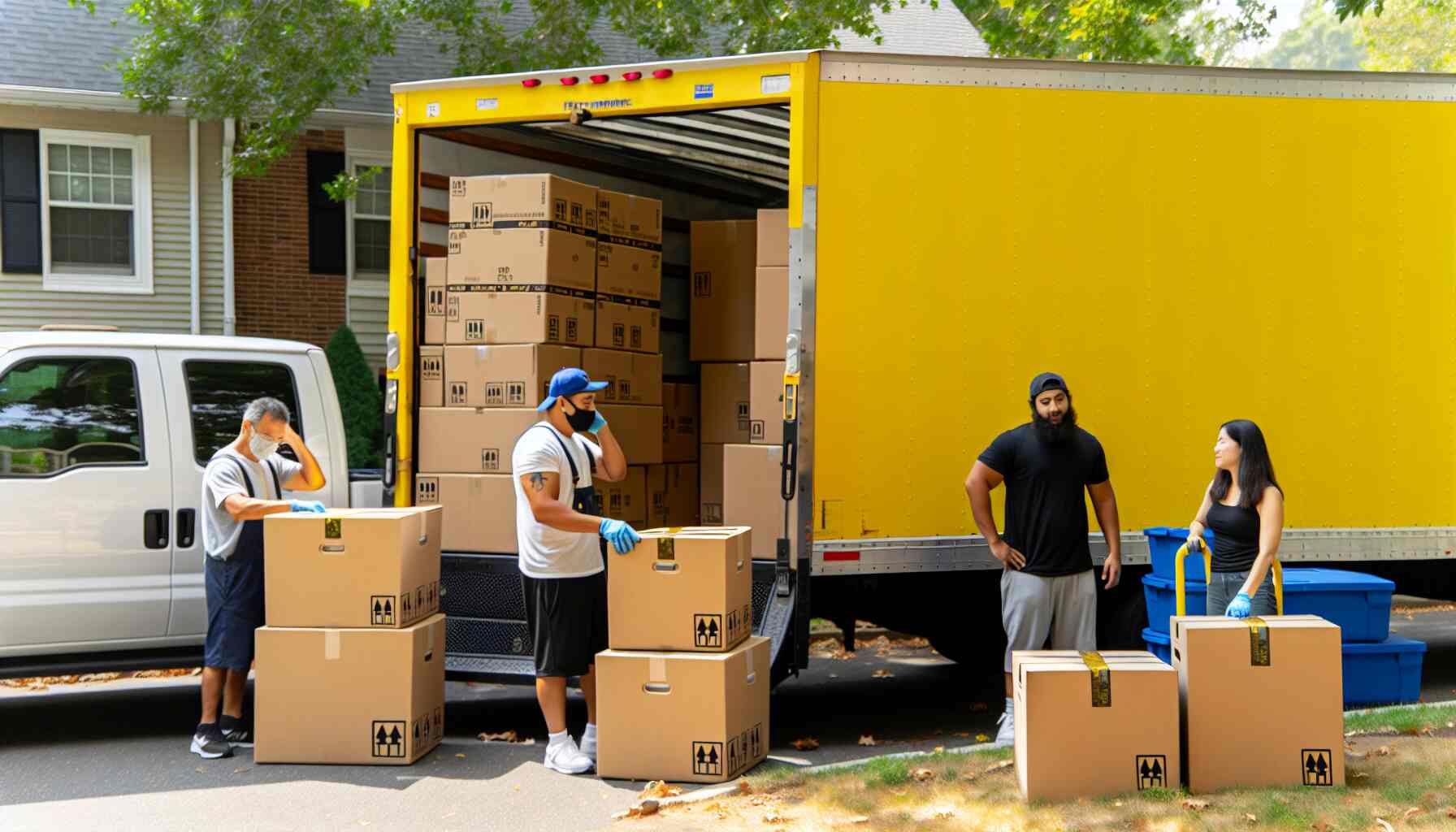
Packing for a long distance relocation requires careful planning because your belongings may travel hundreds or thousands of miles before reaching your new home. If you’re preparing for Long Distance Moving in Norwalk, CA, packing properly can help protect your possessions and make the moving process more organized. With the right supplies, organization, and preparation, you can make packing much easier.
Start Packing Early
One of the most common packing mistakes is waiting until the last few days. Long distance moves often involve more belongings and planning than local moves, so give yourself enough time.
Start several weeks before moving day if possible. Begin with things you rarely use, such as seasonal decorations, extra kitchenware, books, and storage items.
As moving day gets closer, gradually pack everyday belongings while keeping essential items accessible.
Declutter Before Packing
Don’t pack everything automatically. Moving is a good opportunity to decide what you actually need.
Go through each room and separate your belongings into categories such as:
- Keep
- Donate
- Sell
- Recycle
- Discard
Reducing the number of items you need to transport can make packing easier and may also reduce the space required during the move.
Gather the Right Packing Supplies
Having the correct supplies can make a significant difference. Common packing materials include sturdy boxes, packing tape, bubble wrap, packing paper, markers, labels, and protective padding.
Use boxes that are appropriate for their contents. Small boxes work well for heavy items such as books, while larger boxes are better suited for lightweight belongings.
Avoid using damaged or weak boxes because they may not withstand long distance transportation.
Pack Room by Room
Packing one room at a time can help you stay organized. Instead of randomly filling boxes throughout the house, complete one area before moving to another.
For example, you might start with the guest bedroom, then move to the living room, kitchen, and other areas.
This approach also makes labeling easier because you can clearly identify where each box belongs.
Label Every Box
Clearly labeling your boxes is one of the simplest ways to make unpacking easier.
Write the destination room and a short description of the contents on each box. You can also mark boxes containing fragile items.
For example, a box might be labeled “Kitchen – Glassware” or “Bedroom – Winter Clothing.”
Consider placing labels on multiple sides so they can be easily identified when boxes are stacked.
Protect Fragile Items
Fragile possessions require extra attention during a long distance move. Wrap dishes, glasses, decorations, electronics, and other delicate items individually when possible.
Use packing paper, bubble wrap, towels, or other suitable protective materials to reduce movement inside boxes.
Don’t leave empty spaces around fragile belongings. Fill gaps with appropriate padding so items are less likely to shift during transportation.
Don’t Overload Boxes
A box that is too heavy can become difficult to carry and may break during handling.
Instead of putting many heavy objects into one box, distribute weight across several smaller boxes.
Books, tools, canned goods, and other heavy items should generally be packed in smaller containers.
Before sealing each box, make sure it can be safely lifted.
Pack Furniture Carefully
Large furniture should be prepared before movers arrive. Remove items stored inside drawers and cabinets and secure removable components when appropriate.
If possible, disassemble larger furniture pieces according to the manufacturer’s instructions. Keep screws, bolts, and other hardware in labeled bags so they don’t get lost.
Protect furniture surfaces with suitable blankets or padding during transportation.
Prepare Electronics
Electronics should be packed carefully, especially if you’re moving expensive televisions, computers, gaming systems, or other equipment.
If you still have the original packaging, it may provide useful protection. Otherwise, use suitable boxes and protective materials.
Keep cables and accessories organized by labeling them or placing them together in clearly marked bags.
Create an Essentials Box
Don’t pack everything away. Prepare one or more boxes containing items you’ll need immediately after arriving.
An essentials box might include:
- Toiletries
- Towels
- Basic clothing
- Chargers
- Cleaning supplies
- Paper towels
- Basic kitchen items
- Snacks
- Important household supplies
Keep these items easily accessible instead of placing them at the bottom of the moving shipment.
Keep Important Documents With You
Important documents should generally remain with you throughout the move. These may include identification, financial records, insurance information, property documents, school records, and other essential paperwork.
Keep documents in a secure folder or bag that you can access during travel.
Avoid placing irreplaceable paperwork in moving boxes where it may be difficult to retrieve.
Make an Inventory
Creating a basic inventory can help you keep track of your belongings.
Record major furniture, electronics, valuable possessions, and important boxes. You can also photograph valuable items before they are packed.
An inventory can make it easier to identify missing or damaged belongings after delivery.
Check Items Before Moving
Before sealing boxes, make sure you are not packing items that require special handling or may not be suitable for transportation.
Ask your moving company about any restrictions or requirements for specific household items.
Different movers may have different policies, so confirm this information before packing.
Consider Professional Packing Services
If you don’t have enough time or are uncomfortable packing fragile belongings yourself, professional packing services may be an option.
Experienced movers can help organize and protect household items using appropriate packing techniques and materials.
Professional assistance can be especially useful for large households or moves involving many fragile possessions.
Final Packing Checklist
As moving day approaches, check that every room has been packed and labeled. Keep important documents and personal essentials separate.
Confirm that boxes are properly sealed and that fragile items have adequate protection. Make sure furniture and larger belongings are ready for loading.
Taking a final walk through your home can help you find items that may have been overlooked.
Final Thoughts
Packing for a long distance move takes time, but careful organization can make the process much easier. Start early, declutter before packing, use suitable supplies, protect fragile belongings, label your boxes, and keep important items with you.
If you’re preparing for Long Distance Moving in Norwalk, CA, following these packing strategies can help protect your belongings and make the transition to your new home more organized and less stressful.