
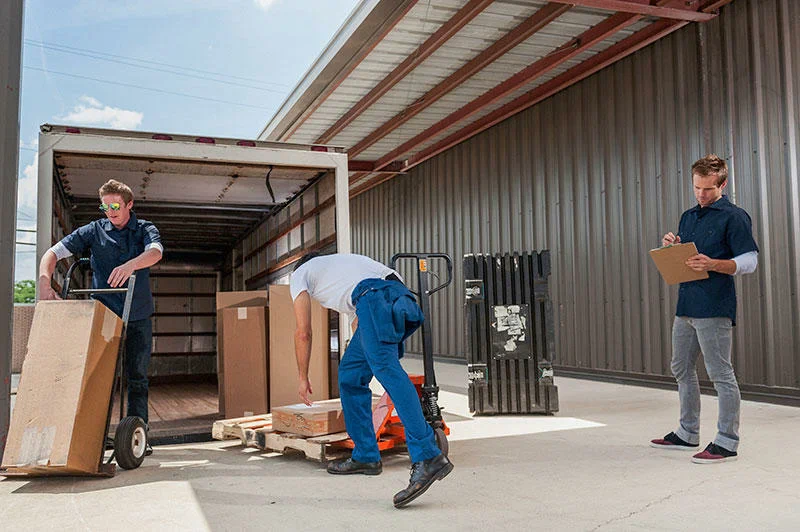
Every hour your business is not operating costs money. That is why relocating an office, shop, or storefront requires a different approach than moving a home. Commercial moving services focus on speed, organization, and protecting equipment so your team can get back to work quickly. Use this guide to plan a business move that keeps disruption low.
How Commercial Moves Differ From Residential Moves
Home moves center on furniture and personal belongings. Business moves involve desks, workstations, servers, filing cabinets, inventory, specialized equipment, and sensitive records. Timing is critical, since many companies must move after hours or on weekends to avoid lost productivity. A reliable commercial mover coordinates the schedule, labels everything, and sets up your space so employees can resume work with minimal confusion.
Companies that offer professional moving services understand these demands and plan accordingly.
Start Planning Early
Commercial relocations benefit from a timeline of two to six months, depending on size. Early planning gives you time to review lease terms, design the new layout, notify clients, and coordinate technology. Assign a point person to manage communication with your mover and keep the project on track.
Create a Detailed Moving Plan
A clear plan reduces mistakes. Include these elements:
- Inventory. List furniture, equipment, supplies, and files.
- Floor plan. Map where every desk, cabinet, and device will go.
- Schedule. Decide when each department will pack and move.
- Communication. Inform employees, clients, vendors, and the post office of the change.
- Budget. Account for labor, materials, downtime, and any building fees.
Labeling and Organization
Color-coded labels and numbered boxes make setup much faster. Assign each employee a label that matches their new workspace and ask them to pack personal items themselves. Label shared spaces, such as break rooms and conference areas. When the crew arrives, they can place boxes and furniture directly where they belong, which cuts down on confusion and lost time.
Protect Sensitive Equipment and Records
Computers, printers, servers, and phone systems need careful handling. Back up your data before the move and consider having your IT team disconnect and reconnect critical systems. Confidential documents should be boxed, sealed, and tracked. Ask your mover about procedures for protecting sensitive materials and supervising high-value items.
Minimizing Downtime
Downtime is the biggest hidden cost of a business move. To reduce it:
- Schedule the move during off-hours or slow periods
- Pack non-essential items in advance
- Set up the new space in phases, starting with essential systems
- Test internet, phones, and power before opening day
- Have a contingency plan for delays, such as remote work
Working With Building Management
Many commercial properties have rules for elevators, loading docks, and insurance certificates. Contact management at both locations early to confirm access hours, reservation requirements, and any restrictions. Your mover can often provide certificates of insurance that the buildings request. Skipping this step can delay moving day or incur extra fees.
Choosing a Commercial Mover
Select a company with experience handling offices and retail spaces. Ask about crew training, equipment, liability coverage, and how they manage tight deadlines. Request references from other business clients when possible. A mover that communicates clearly and arrives prepared helps your team stay productive.
For businesses in the High Desert, local expertise matters. Crews familiar with local movers in Victorville routes and loading conditions can plan around traffic, building access, and weather to keep your schedule on track.
Serving Surrounding Communities
Growing businesses often relocate within the region, from one city to the next. If you are considering a new space in a neighboring area, explore Hesperia movers to compare logistics, distances, and scheduling. A company that works across both areas can keep the process consistent.
After the Move
Once the crew finishes, do a walkthrough of the new space with your team. Confirm that furniture is placed correctly, equipment functions, and nothing was damaged. Update your address on websites, marketing materials, business listings, and accounts. Send a notice to customers so they know where to find you. Keep your inventory and moving documents until you have verified that everything arrived safely.
Employee Communication and Morale
A relocation affects every person on your team, so communicate early and often. Share the schedule, the new floor plan, parking details, and what employees should pack themselves. Hold a short briefing before moving day and assign department leads to answer questions. Businesses that work with Dave’s Moving Company can coordinate timing with staff schedules, which keeps morale steady and helps everyone return to a normal routine faster.
Final Thoughts
A business move is a chance to improve your workspace, but only if it is executed well. Plan early, communicate openly, label everything, and hire a mover who understands the pace of commercial operations. With preparation and the right team, your company can relocate and return to work with confidence.
Contact us to discuss your commercial move and request a tailored estimate.