
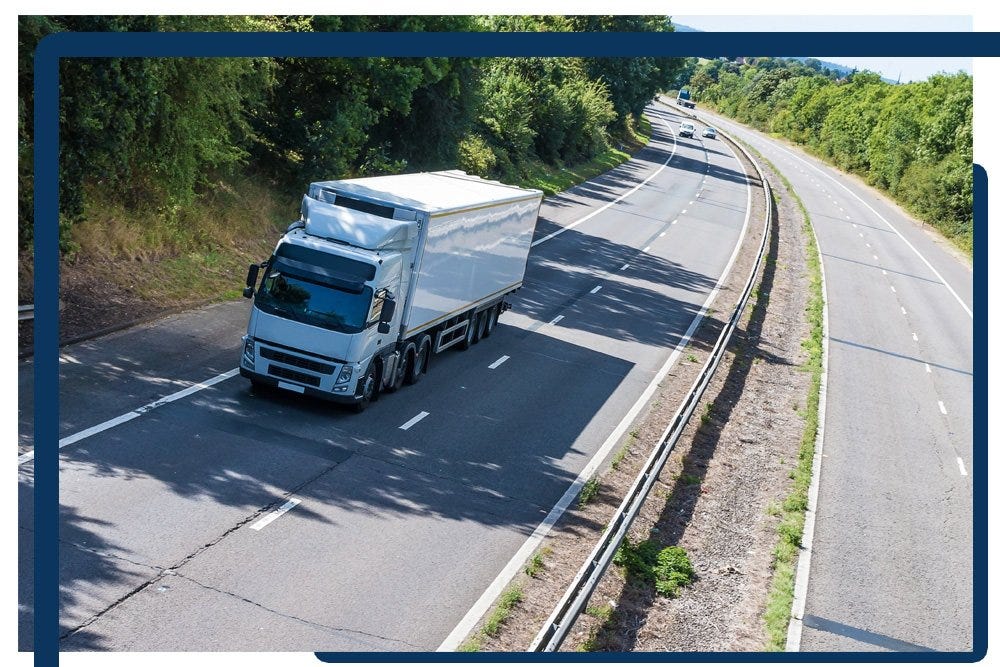
A long distance move requires careful planning, and small mistakes can create unnecessary stress, delays, or additional expenses. If you’re preparing for Long Distance Moving in Norwalk, CA, knowing the most common mistakes can help you avoid problems and make your relocation more organized. From waiting too long to book movers to failing to protect fragile belongings, proper preparation can make a significant difference.
Waiting Until the Last Minute
One of the biggest mistakes people make is delaying their moving preparations. Packing an entire home, arranging transportation, changing addresses, and coordinating schedules can take considerable time.
Start planning as early as possible. Give yourself enough time to compare moving companies, organize belongings, and complete important tasks without rushing.
Choosing a Moving Company Based Only on Price
A low estimate can be attractive, but price should not be the only factor when choosing a moving company.
Very low estimates may not include all services or potential charges. Compare what each company provides and ask questions about transportation, packing, loading, unloading, delivery, and other services.
Understanding the estimate before booking can help prevent unexpected costs.
Not Getting a Detailed Estimate
Another common mistake is accepting an estimate without understanding what it covers.
The cost of a long distance move can depend on the size and weight of your shipment, distance, moving date, labor, packing services, and additional requirements.
Provide accurate information about your belongings and ask the moving company to explain the estimate clearly.
Packing Without a Plan
Randomly placing items into boxes can make both packing and unpacking more difficult.
Instead, create a simple packing strategy. Work room by room and start with belongings you don’t use frequently.
Keep similar items together and clearly label every box. Organized packing can save time when you arrive at your new home.
Overpacking Boxes
Overloaded boxes can become difficult to lift and may break during handling.
Heavy items such as books and tools should generally be distributed among smaller boxes. Lighter belongings can go into larger boxes.
Make sure every box is strong enough for its contents and can be safely handled.
Failing to Protect Fragile Items
Long distance transportation involves handling and movement, so fragile possessions need proper protection.
Wrapping glassware, electronics, artwork, and other delicate items carefully can reduce the risk of damage.
Use appropriate padding and avoid leaving empty spaces inside boxes containing fragile belongings.
Forgetting to Label Boxes
Unlabeled boxes can make unpacking unnecessarily frustrating.
Clearly identify the room and general contents on each box. If something is fragile, mark it appropriately.
You can also create a basic inventory to help track important belongings throughout the move.
Moving Everything You Own
Moving is a good opportunity to get rid of things you no longer need. Taking unnecessary furniture, clothing, appliances, or household items across a long distance can increase the amount of space and labor required.
Before packing, sort your belongings. Donate usable items, sell things you no longer need, and dispose of items that are no longer useful.
A smaller shipment can make the moving process more manageable.
Forgetting an Essentials Bag
Some people pack everything into the moving shipment and then discover they don’t have basic necessities immediately after arriving.
Prepare a separate bag containing clothing, toiletries, chargers, important documents, snacks, and other daily essentials.
Keep these items with you rather than placing them in the moving truck whenever practical.
Packing Important Documents
Important documents should not be buried inside moving boxes.
Keep identification, financial records, insurance documents, property paperwork, and other important records in a secure folder or bag.
Having these documents accessible can be particularly important when you’re traveling to a new location.
Not Preparing the New Home
Another common mistake is focusing entirely on the old home and forgetting about the destination.
Before moving day, make sure essential utilities are arranged and that you have access to your new property.
If possible, determine where large furniture should go. A basic layout can help movers place items correctly and reduce unnecessary rearranging.
Ignoring Access Problems
Moving trucks and large furniture need sufficient access to both properties.
Inform your moving company about stairs, elevators, narrow entrances, parking restrictions, or other potential challenges.
Failing to mention these details may cause delays or require additional arrangements on moving day.
Not Confirming the Moving Details
Even if you’ve booked your movers weeks in advance, it’s a good idea to confirm the details before moving day.
Verify the date, pickup location, destination address, services, and contact information.
If anything has changed, communicate it to the moving company as early as possible.
Forgetting to Update Your Address
A move often requires updating your address with multiple organizations.
Depending on your circumstances, this may include banks, insurance companies, employers, schools, subscriptions, and government agencies.
Create a list of organizations that need your new address so you can update them systematically.
Failing to Document Valuable Items
Before moving valuable furniture, electronics, or other important belongings, consider taking photographs.
Photos can provide a record of the condition of your possessions before transportation.
This documentation may be useful if you need to discuss damage after delivery.
Not Allowing Extra Time
Long distance moves don’t always happen exactly according to your preferred schedule. Traffic, weather, road conditions, transportation issues, or other circumstances can affect timing.
Avoid scheduling important events immediately after your expected delivery whenever possible.
Having some flexibility can make unexpected delays easier to manage.
Final Thoughts
Long distance moving becomes much easier when you know which mistakes to avoid. Start planning early, compare moving companies carefully, understand your estimate, pack strategically, protect fragile belongings, and keep important items organized.
If you’re planning Long Distance Moving in Norwalk, CA, taking the time to prepare properly can help reduce stress and make your relocation smoother from beginning to end.