
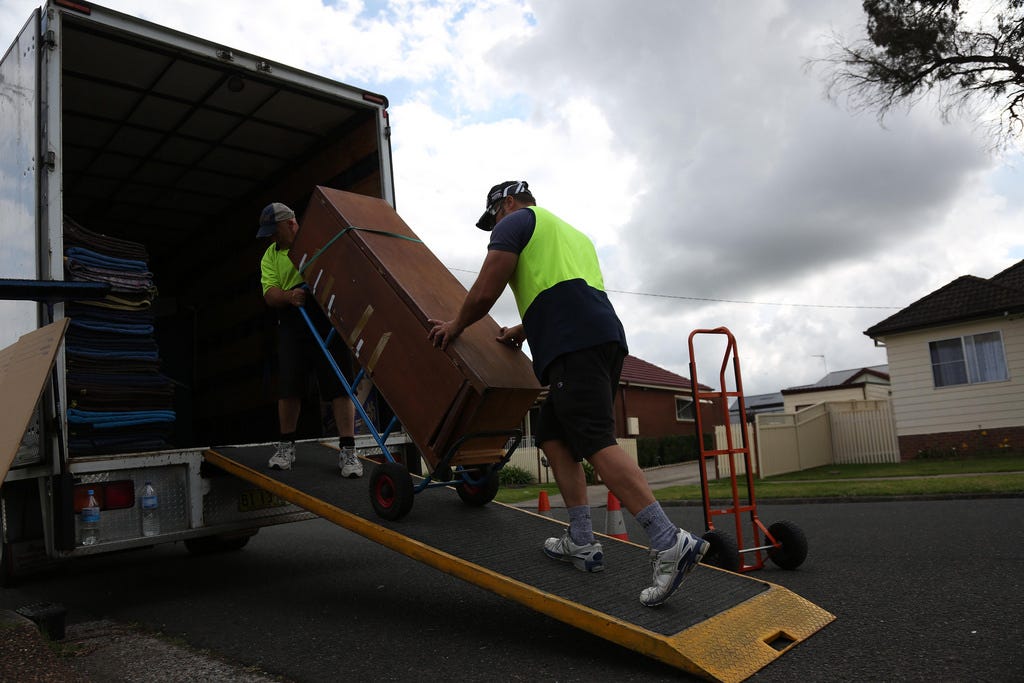
Moving to a new city or state is a major change, and knowing what to expect can make the process easier. If you are considering Long Distance Moving in Norwalk, CA, understanding the different stages of a long distance move can help you prepare your home, belongings, schedule, and budget. From planning and packing to transportation and delivery, each stage requires careful organization.
Planning and Scheduling
The first stage of a long distance move is planning. Unlike a local move, a long distance relocation usually requires more preparation because your belongings will travel a greater distance.
Start by deciding your preferred moving date and determining how much help you need. You may choose to pack everything yourself or hire professional movers for packing and loading.
It’s also important to consider your schedule. If you’re moving because of a new job, school, or housing situation, coordinate your moving date with your arrival date at the new location.
Getting a Moving Estimate
Before hiring a moving company, you will generally receive an estimate based on factors such as the amount of belongings, distance, moving services, and other requirements.
A larger home with more furniture and boxes will typically require more transportation space and labor than a smaller household.
When reviewing estimates, make sure you understand what services are included. Ask about packing, loading, transportation, unloading, storage, and any potential additional charges.
Sorting and Packing Your Belongings
Packing is one of the biggest parts of a long distance move. Since your belongings will travel a significant distance, proper packing is particularly important.
Begin with items you don’t use regularly. Seasonal clothing, decorations, books, extra dishes, and rarely used appliances can usually be packed first.
Use strong boxes and appropriate protective materials for fragile belongings. Label each box with its contents and the room where it should go.
If you don’t have enough time to pack everything yourself, professional packing services may be available.
Moving Day
Moving day can be busy, but being prepared can make it much smoother. Movers will typically arrive at the scheduled location and begin loading your belongings.
Before loading begins, make sure pathways are clear and that the movers can easily access the rooms containing your belongings.
Keep important documents, valuables, medications, chargers, and personal essentials with you rather than placing them in the moving truck.
Before leaving your old home, check closets, cabinets, garages, storage spaces, and other areas to make sure nothing has been forgotten.
Transportation
Once everything is loaded, your belongings will be transported to your new destination. The exact travel time can vary depending on the distance, route, weather, traffic, scheduling, and other transportation factors.
Long distance moving can take longer than a local move because the truck may travel hundreds of miles and may have additional scheduling requirements.
Your moving company should provide information about the expected delivery timeframe. Keep communication available in case there are changes or updates during transportation.
Possible Delivery Delays
It’s important to understand that long distance moves can sometimes experience delays. Weather conditions, traffic, mechanical problems, road conditions, or scheduling issues can affect transportation.
For this reason, avoid planning important events immediately after your expected delivery date if possible.
Having a small supply of essential clothing, toiletries, food, and other necessities can help you stay comfortable if your belongings take longer to arrive than expected.
Unloading at Your New Home
When your belongings arrive, movers will unload boxes and furniture from the truck. If possible, have a basic plan for where larger furniture should go.
Clearly labeled boxes make this process much easier. Instead of opening every box to determine where it belongs, movers can place boxes directly in their designated rooms.
You don’t necessarily need to unpack everything immediately. Focus first on essential areas such as the bedroom, bathroom, and kitchen.
Inspecting Your Belongings
After unloading, take some time to inspect your belongings. Check larger furniture pieces, electronics, appliances, and fragile items for visible damage.
Your inventory can help you determine whether everything arrived safely.
If you notice damage or missing items, document the issue with photographs and keep relevant moving paperwork. Follow the moving company’s process for reporting concerns.
Adjusting to Your New Location
A long distance move isn’t finished when the truck leaves. You also need time to settle into your new environment.
Start by organizing essential rooms and gradually unpacking the remaining boxes. Update your address where necessary and make sure important services are transferred or established.
If you’re moving to another state, you may also need to update documents, registrations, insurance information, and other records depending on your circumstances.
Keep Important Items With You
Some belongings are better kept with you rather than placed inside a moving truck. Important documents, jewelry, personal identification, cash, sentimental items, and essential medications should generally remain under your personal control.
Preparing a separate travel bag can help ensure that you have everything you need during the transition.
Communicate With Your Movers
Good communication is important throughout a long distance move. Make sure your moving company has accurate pickup and delivery addresses and working contact information.
If anything changes before moving day, such as your schedule or access to the property, communicate those changes as early as possible.
Clear communication can reduce confusion and help everyone stay on the same schedule.
Final Thoughts
A long distance move involves much more than simply transporting boxes from one home to another. You’ll need to plan your schedule, prepare your belongings, arrange transportation, manage moving day, and organize your new home.
Understanding what to expect can help you stay prepared throughout the process. With proper planning and reliable moving assistance, your long distance relocation from Norwalk, CA can become a more organized and manageable experience.